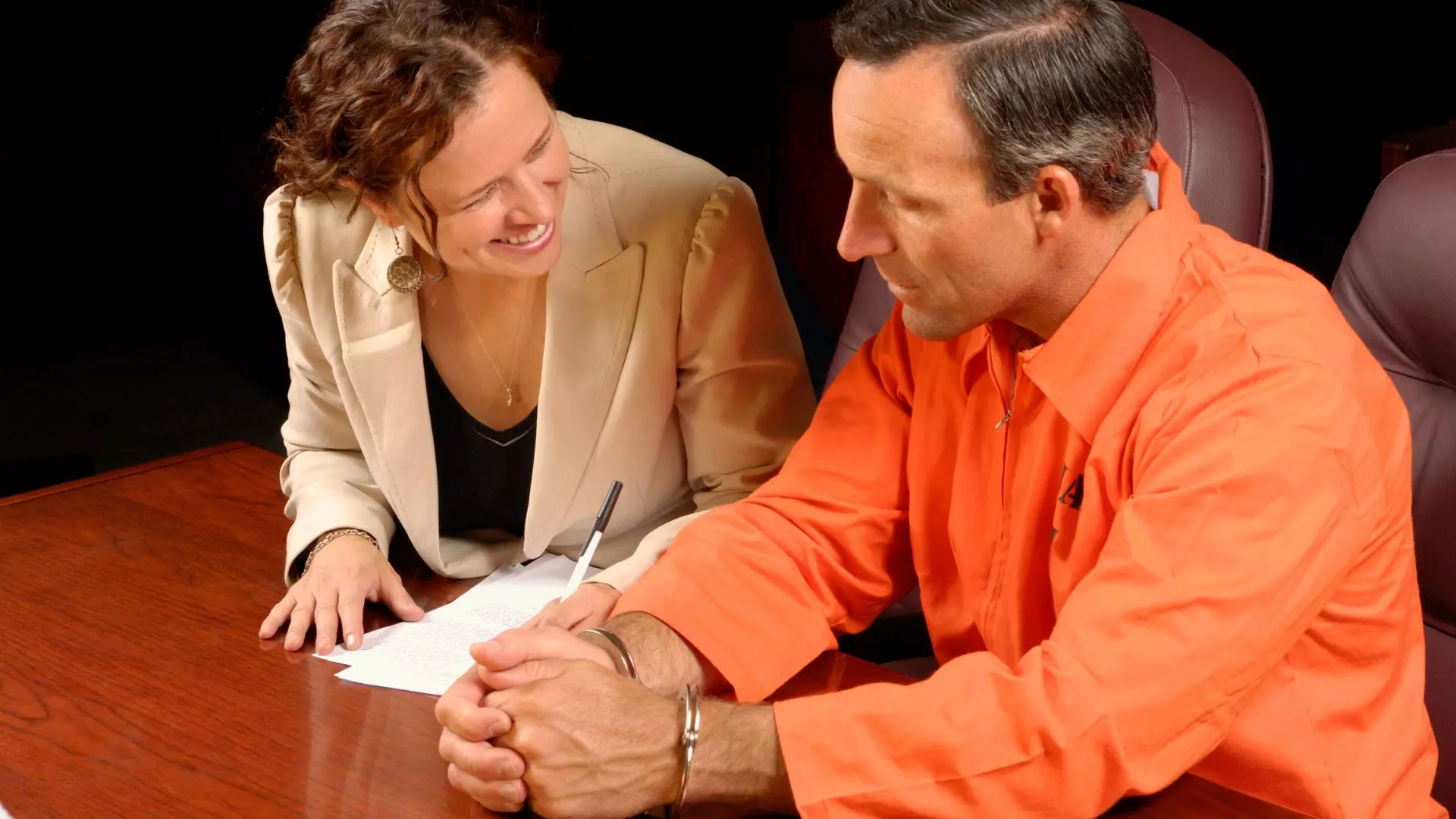
When it comes to bail bonds, there are many myths and misconceptions that can make the process seem confusing or intimidating. These misunderstandings can prevent people from getting the help they need when a loved one is arrested. In this post, we’re going to debunk some of the most common myths about bail bonds to help you better understand how the system works and how a bail bondsman can assist you.
Myth 1: Bail Bondsmen Are Only for Serious Crimes
One of the most common misconceptions is that bail bondsmen only deal with serious crimes like felonies or violent offenses. In reality, bail bondsmen assist with a wide range of charges, from minor misdemeanors to more serious crimes. Whether your loved one is facing a traffic violation or a more significant charge, a bail bondsman can help secure their release from jail.
Myth 2: You Can Negotiate the Bail Amount
Bail amounts are not negotiable. They are set by the judge based on factors like the nature of the crime, criminal history, and flight risk. The role of a bail bondsman is not to reduce the bail amount but to help you afford the cost of bail by posting a bond on your behalf. You typically pay 10% of the total bail amount to the bondsman, making it easier to get your loved one released without having to pay the full bail upfront.
Myth 3: Using a Bail Bondsman Is Too Expensive
Using a bail bondsman is often the most affordable option for families. Without a bondsman, you would need to pay the full bail amount, which can be thousands or even tens of thousands of dollars. A bail bondsman charges a small, non-refundable fee (usually 10% of the total bail amount) to post the bail. For example, if bail is set at $5,000, you would only need to pay $500 to the bail bondsman. Many bail bond companies, including MK Bail Bonds, offer flexible payment plans to make the process more affordable.
Myth 4: Once Bail Is Posted, You’re Free Without Conditions
Posting bail doesn’t mean the legal process is over. Once bail is posted, the defendant is released from jail, but they must comply with certain conditions set by the court. These typically include attending all court appearances and following any additional instructions from the judge, such as travel restrictions or check-ins with law enforcement. Failure to comply with these conditions could result in the defendant being re-arrested and forfeiting the bail.
Myth 5: If You Use a Bail Bondsman, You Don’t Have to Pay Anything Else
While the fee you pay to the bail bondsman covers the cost of posting bail, it is non-refundable. This means that once the bail bond has been posted, the bondsman’s fee (usually 10%) is the total cost of their service, regardless of whether the case is dismissed or the defendant is found not guilty. If you paid collateral to secure the bail bond, that collateral will be returned to you once the case is resolved, provided the defendant meets all court obligations. However, there may be other costs from the court or administrative fees, or you may need to pay restitution to resolve your case.
Myth 6: Bail Bondsmen Can Get You Out of Jail Immediately
Bail bondsmen work quickly to secure a defendant’s release, but the timing depends on the jail’s procedures and the time of day. While a bondsman can post bail 24/7, the release process is ultimately controlled by the jail, which can take anywhere from a few hours to a full day depending on how busy the facility is.
Myth 7: Bail Bondsmen Only Work with People Who Are Guilty
Being arrested does not mean someone is guilty of a crime. In the U.S. legal system, everyone is innocent until proven guilty. Bail bondsmen help people who have been accused of a crime get released from jail so they can return to their daily lives and prepare for their court appearances. The purpose of bail is not to punish the accused, but to ensure they show up for court while allowing them the freedom to work with their attorney and be with their family.
Myth 8: You Lose Your Money if the Defendant Is Found Guilty
The outcome of the case does not affect the bail bond fee. Whether the defendant is found guilty or not guilty, the fee you paid to the bail bondsman is non-refundable because it’s the cost of the service provided. However, if you paid the full bail amount directly to the court (instead of using a bail bondsman), that money would be returned to you once the case is resolved, minus any court fees.
Bail bonds play an essential role in the legal system, helping individuals secure their release from jail while awaiting trial. By debunking these common myths, we hope you have a clearer understanding of how bail bonds work and how they can benefit you and your loved ones in a time of need.
If you or a family member needs assistance with bail, MK Bail Bonds is here to help. Our experienced team is available 24/7 to provide fast, reliable, and affordable bail bond services.